Most people choose a wireless keyboard the wrong way.
They compare specs, look at price, maybe read a few reviews—and still end up with something that doesn’t feel right after a week.
The truth is, the difference between a “good” keyboard and the right keyboard has very little to do with specs, and a lot to do with how you actually use it.
The Biggest Mistake People Make
Most buyers focus on features:
- Bluetooth vs USB
- Battery life
- Backlight
But none of these matter as much as typing feel and use case.
If the keyboard doesn’t match how you work, you’ll notice it every single day.
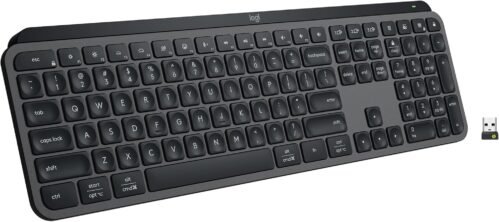
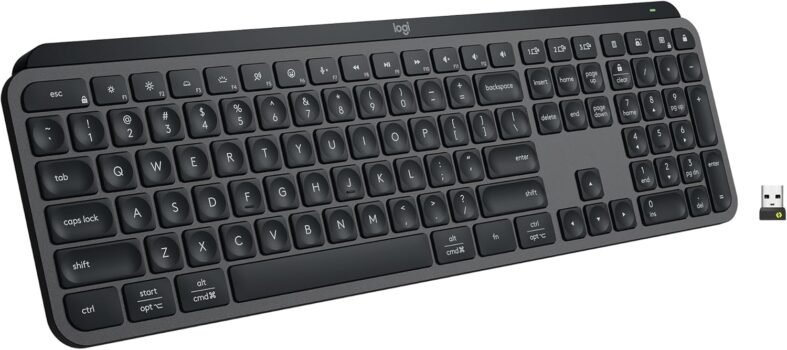
If You Just Want Something That Works
If you type a lot, switch between devices, or just want something reliable, this is usually the safest option.
What stands out isn’t one feature—it’s how everything just works together. You don’t think about it after a while, which is exactly the point.
Typing Feel Is the Real Dealbreaker
This is where most people get it wrong.
You don’t notice typing feel in reviews—but you definitely notice it after 3 hours of work.
- Flat / low-profile → cleaner, quieter
- Mechanical → more feedback, more satisfying
There’s no “better”—just what fits you.
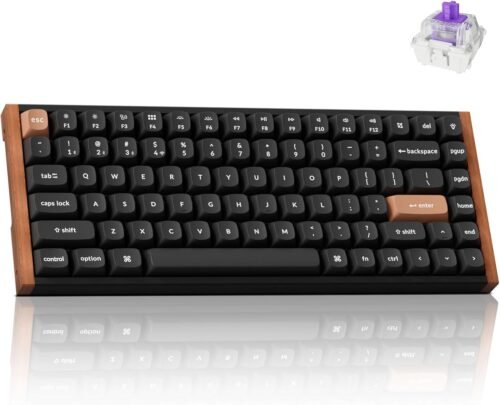
If You Care About Typing Experience
This is where mechanical keyboards start to make sense.
It’s not as minimal or slim, but the typing experience is completely different. Some people switch once and never go back.
It does take a bit of adjustment though.
Layout Is More Important Than It Looks
Most people default to full-size keyboards.
But once you try something smaller, you might not go back.
More space on your desk = more comfortable movement, especially if you use a mouse a lot.
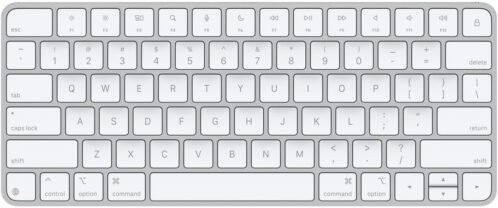
If You’re Using a Mac
This one isn’t about features—it’s about simplicity.
It’s thin, clean, and just fits perfectly into the Apple ecosystem. If you’re already using a Mac, this is usually the easiest choice.
If not, there are better options.
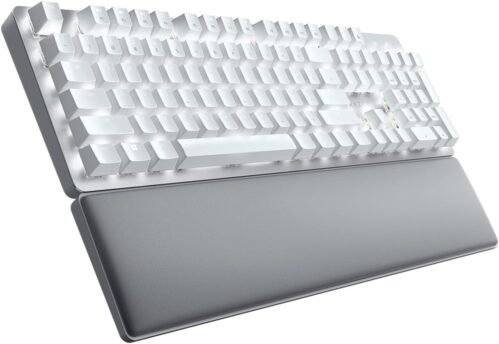
If You Want Something Faster
This sits somewhere between gaming and productivity.
It feels quicker and more responsive than most office keyboards, but still usable for everyday work.
Not for everyone—but great for the right setup.
So What Should You Actually Choose?
If you’re not sure:
- Go with something balanced → easier long-term
- Don’t overthink specs → they matter less than you think
- Focus on how you actually use your setup
Most people don’t need the “best” keyboard.
They just need one that fits their workflow.
Final Thought
A keyboard is something you use every day.
So small differences become big over time.
Choosing the right one isn’t about finding the most features—it’s about removing friction from your daily work.
That’s what makes a keyboard worth it.